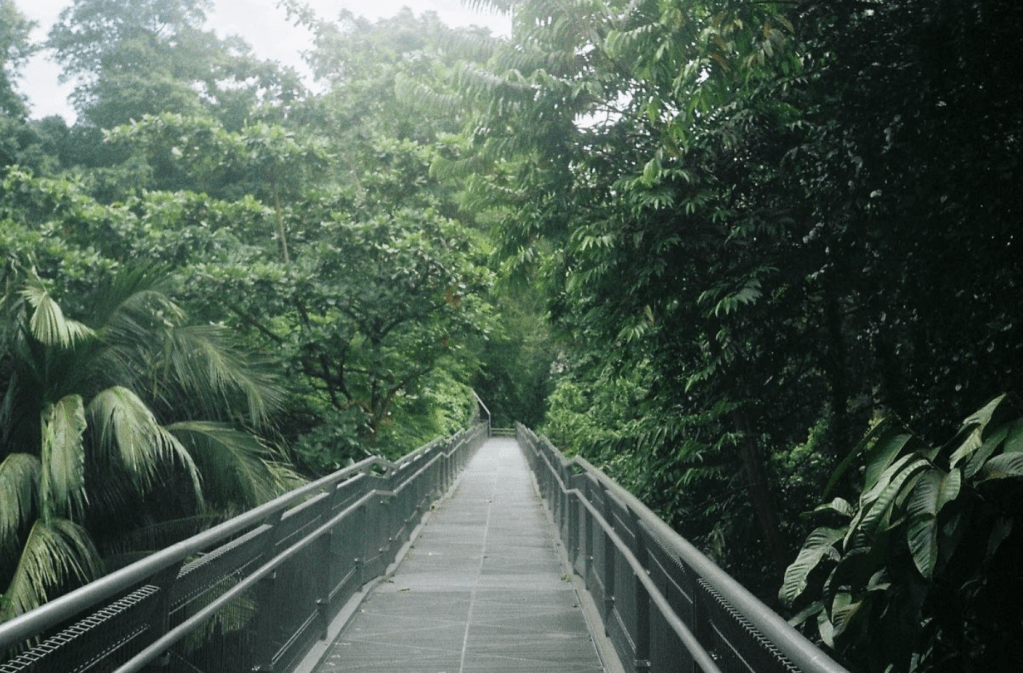
by Gabriela Gazaniga
The strive for advancement is a core part of human nature. Innovation is often found at the centre of community building and architecture. For generations, modern architecture and urbanism have been understood as skyscraper concrete jungles, sleek metal and glass structures, and a displacement of the natural environment.
With climate change awareness at an all-time high, and sustainability measures ever-increasing, efforts to restore the natural environment and ecosystems to urban areas are actively being made. The term “ecourbanism” is thought to have been coined by the renowned architect Manuel Ruano in 1999. As per Ruano’s definition, ecourbanism refers to the “development of multi-dimensional sustainable human communities within harmonious and balanced built environments”. In essence, the concept is understood as the integration of ecology alongside the building process rather than treating ecology and architecture as separate entities. In this way, ecology and urban design become one.
What Does Ecourbanism Look Like in Practice?
Although the term was coined in 1999, ecourbanism remains a broad topic. Perhaps its vagueness allows for a more wide-reaching concept that invites various perspectives and ideas in its application. For example, ecourbanist practices are not singular to architectural creativity but further include transport, water management, food production, recycling and more.
No feat(s) of ecourbanism has gained more global attention than Singapore’s eco-projects. The first of Singapore’s projects, ‘Gardens by the Bay’, included a canopy of solar powered “supertrees”. These supertrees are 50 metre high mechanical marvels that utilise sunlight to generate solar energy, clean the air, and collect rainwater. The trees further absorb heat and regulate high temperatures, acting as a forest canopy for the streets below.
The second notable project from Singapore is its construction of an “eco-smart city”. In 2021, the country announced plans to construct a purpose-built eco-smart city directed at placing ecology at the forefront of urban development. This city will place the environment at the centre of its operation. Trees and greenery will be in abundance, safe passages for the native wildlife will be included, automobile transportation will be underground, and the city will be reserved for pedestrians and cyclists. The city will further promote the use of electronic vehicles through installing a myriad of charging stations.
The eco-smart city will be built with the future in mind. Instead of catering to the normalcy associated with the current times, Chong Fook Long, the director of Singapore’s Housing and Development Board (HDB), has stated the city will both prepare for and propel the realities associated with a sustainable future.
Is this really the future?
Climate change is one of the foremost pressing issues of the 21st century and the future. The manner in which society operates with large carbon emissions, deforestation, and unsuitable waste management poses an extreme threat to the health and safety of both the Earth and its inhabitants.
Ecourbanism allows for the cultivation of the Earth’s natural environment, promoting a more balanced and harmonious planet. It is unrealistic to expect humanity to revert advancements in order to evade climate change. What ecourbanism allows for is a divergent avenue to prosperity.
Rather than living in combat with the Earth, ecourbanism proposes utilising the natural world to promote advancement and propel humanity into the future in a more sustainable fashion.
Singapore’s ecourbanist projects offer an insight into the future of community and society. Both the ‘Gardens by the Bay’ and the eco-smart city act as a case study of ecourbanism in practice. Through the success of individual ecourbanism ventures, such a way of life will soon become normalised and sought after.
Humans require a healthy and thriving natural world in order to survive. The harm done to the environment through urbanisation and general neglect has only negatively impacted the quality of life across the world. Sickness, natural disasters, unpredictable weather patterns and more have all become a part of day to day life.
By working with the environment rather than against it, harmony with the Earth can be recovered.. Ecourbanism is not only the future, but the path to a more prosperous future.
 Evergreen trinity
Leave a comment